How to Cast a Baitcaster Farther
Here is how to cast a baitcaster, explained in simple, tested steps.
Quick answer: To cast a baitcaster farther, loosen the brakes and spool tension slightly, load the rod with a smooth backswing, and release with your thumb feathering the spool. A longer rod, lighter line, and a smooth lob rather than a hard snap add the most distance without backlash.
Key takeaways
- Loosen brakes and spool tension a little, once your thumb is trained.
- Load the rod with a smooth backswing so it launches the lure.
- Thinner line and a longer rod add real distance.
- A smooth lob beats a hard snap for both distance and control.

Once you can cast a baitcaster without backlash, the next goal is distance. Longer casts cover more water and reach fish that shorter casters cannot. The good news is that distance comes from technique and a few settings, not just from a stronger arm. This guide shows you how to add yards safely.
You learn the settings that unlock distance, the casting motion that launches a lure, and the gear choices that help. Each tip trades a little control for range, so add them as your thumb improves. The advice reflects proven casting technique.
Dial In Your Settings
Distance starts with the reel. Once you cast cleanly, back off the brakes a little and loosen the spool tension slightly, so the spool spins more freely and releases more line. This adds distance but demands more thumb control, so make the change in small steps. If you start to backlash, add a touch of brake back.
Set the spool tension so a lure falls slowly rather than dropping fast. That looser setting lets the spool spin freely on the cast. Your thumb becomes the final brake, feathering the spool near the end of the cast to stop the overrun.
Load the Rod
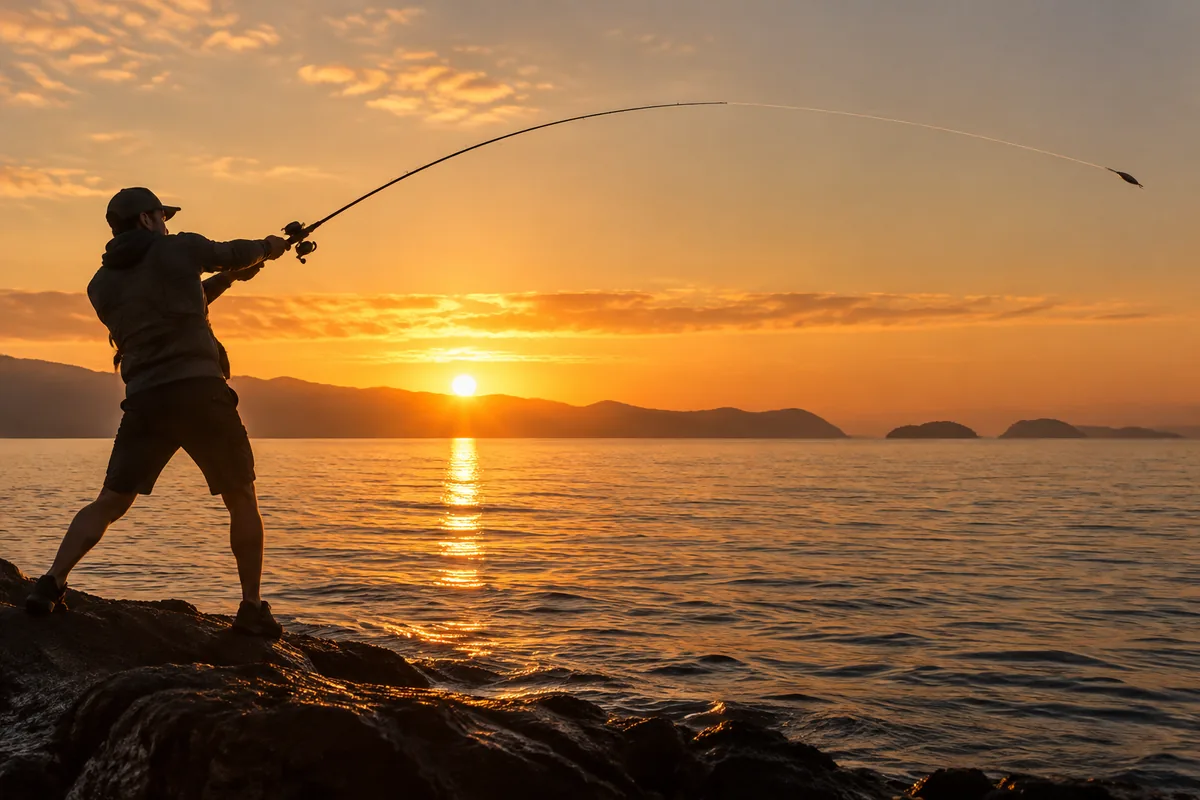
The rod, not your arm, launches the lure. Use a smooth backswing to bend the rod, then sweep forward and let that stored energy fling the lure. Think of it as loading and releasing a spring. A smooth lob loads the rod better than a hard, jerky snap, and it launches the lure farther with less backlash.
Gear Choices That Add Distance
| Factor | Setting for distance | Risk |
|---|---|---|
| Brakes | Slightly looser | More backlash if too loose |
| Spool tension | Slightly looser | Overrun without thumb control |
| Line | Thinner diameter | Less abrasion resistance |
| Rod length | Longer rod | Less accuracy in tight spots |
Thinner line casts farther because it has less air and spool resistance, so a lighter line or a thinner braid adds yards. A longer rod, say 7 foot 6 inches, generates more tip speed and launches the lure farther. And casting a lure that suits the rod’s weight rating loads the blank best. Match these choices to your fishing.
Feather the Spool
Your thumb is the secret to distance and control. As the lure flies, rest your thumb near the spool without stopping it, ready to slow it if it starts to overrun. Just before the lure lands, press the spool to stop it cleanly. This feathering lets you cast loose and long while still landing the lure softly and tangle free.
Frequently asked questions
How do I cast a baitcaster farther?
Loosen the brakes and spool tension slightly, load the rod with a smooth backswing, and feather the spool with your thumb. A longer rod and thinner line add distance too. Trade a little control for range as your thumb improves.
Does lighter line cast farther?
Yes. Thinner line has less air and spool resistance, so it releases more freely and adds distance. A lighter mono or a thinner braid casts farther than heavy line, though heavy line resists abrasion better in cover.
What brake setting for distance?
A slightly looser brake than your safe setting, made in small steps. A looser brake lets the spool spin more freely for distance, but it demands more thumb control. If you start to backlash, add a touch of brake back.
Why won’t my baitcaster cast far?
Usually the brakes or spool tension are too tight, or you are snapping the cast rather than loading the rod. Loosen the settings a little, use a smooth lob to load the rod, and feather the spool with your thumb.