Shimano vs Daiwa: Which Baitcaster Brand Is Better?
This guide covers the shimano vs daiwa with hands on, tested picks.
Quick answer: Shimano is known for smooth gears and a durable brake system that resists corrosion. Daiwa is known for its magnetic and air brake designs that make long casts easy and reduce backlash. Pick Shimano for smoothness and toughness, and Daiwa for casting distance and brake control.
Key takeaways
- Shimano gears feel smooth and hold up over years of use.
- Daiwa brake systems help cast light lures far with less backlash.
- Both brands span mid price to high end, so budget still guides the pick.
- Casting style matters, since each brand tunes its brakes in a different way.

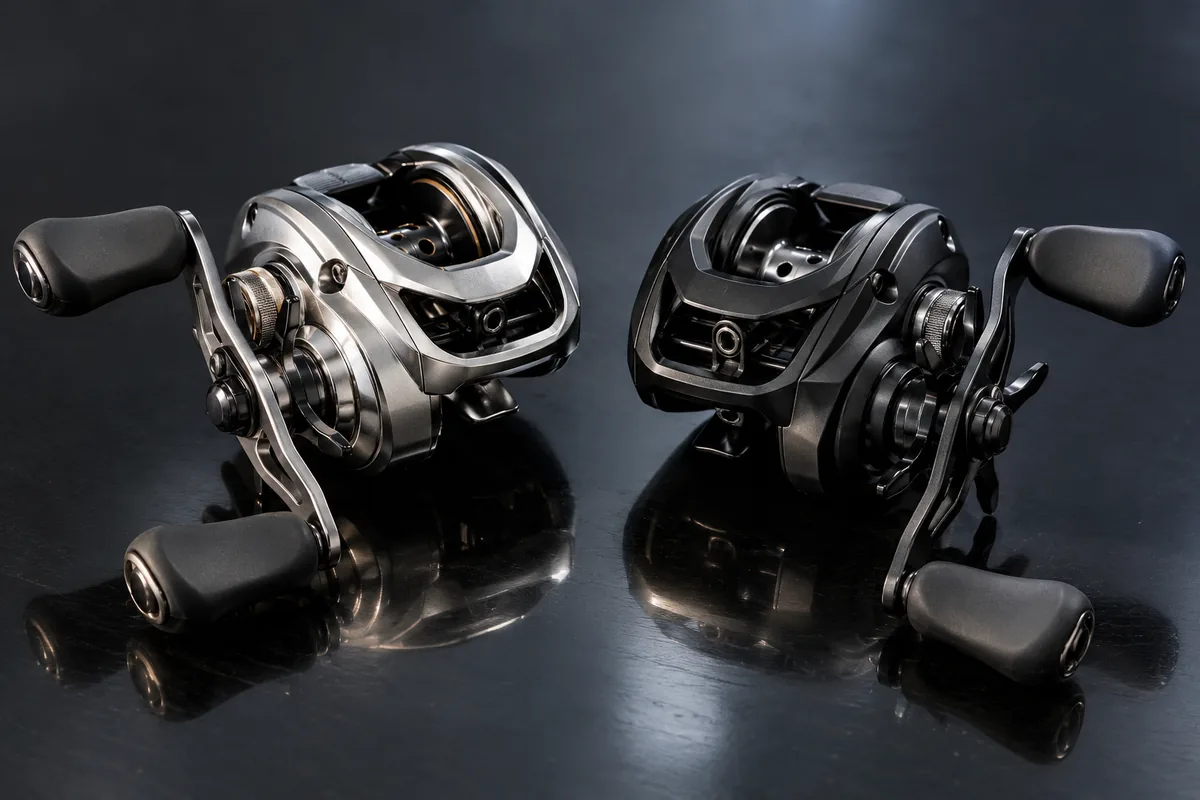
Shimano and Daiwa lead the premium baitcaster market. Both come from Japan and both build reels that last for years. Serious anglers often debate which one casts better or feels smoother. The truth is that each brand solves the same problems in a different way. This guide compares the two, so you can pick the reel that matches how you cast and what you chase.
Brake Systems
Brakes set these brands apart. Daiwa is famous for magnetic and air brake designs that slow the spool in a smooth curve. Those systems help new casters avoid backlash and help skilled anglers throw light lures a long way. Shimano leans on a centrifugal brake that many find durable and easy to tune. Both approaches work, so the choice comes down to how you like to set your brakes.
Smoothness and Gears
Shimano earns wide praise for smooth gears and a quiet retrieve. That smoothness holds up over years, which is why many anglers stay loyal. Daiwa reels also turn smooth, with strong gears that handle big fish. At the high end, both feel excellent in hand. The gap narrows as you climb each brand’s line, since both put their best tech in top models.
Casting and Distance
Daiwa built a reputation for casting distance, thanks to its brake and spool designs. Anglers who throw light baits far often reach for Daiwa. Shimano casts very well too, with a focus on control and a smooth release. For most fishing, both cast farther than you need. The edge in raw distance often goes to Daiwa, while Shimano holds an edge in feel.
Shimano vs Daiwa at a Glance
| Factor | Shimano | Daiwa |
|---|---|---|
| Brake style | Centrifugal, durable | Magnetic and air, long casts |
| Smoothness | Excellent gears | Very smooth |
| Casting distance | Strong | Class leading |
| Corrosion resistance | High | High |
| Best for | Smoothness and toughness | Distance and brake control |
Both brands update their lines often, so confirm current specs and prices on each product page before you buy. The table shows each brand’s general character, not a fixed rule for every model.
Price and Value
Both brands start at mid price and climb into premium territory. Daiwa and Shimano each offer reels that cost more than budget brands, and you pay for the gears, brakes, and build. If you fish often and want a reel that lasts and casts at a high level, either brand rewards the spend. For a first baitcaster, a value brand may serve you better until your skills grow.
Which Should You Buy?
Choose Shimano when smooth gears and long term durability lead your list. The retrieve feel and lasting build keep anglers loyal for years. Choose Daiwa when casting distance and easy brake control matter most, since its brake designs make light lures fly. Both brands sit at the top of the market, so match the reel to your casting style and the fish you chase.
Frequently asked questions
Is Shimano or Daiwa better for casting distance?
Daiwa often holds the edge in casting distance, thanks to its magnetic and air brake designs and spool tech. Shimano casts very well too, with a focus on control and a smooth release. For most fishing, both cast farther than you need, but Daiwa leads in raw distance.
Which brand has smoother gears?
Shimano earns wide praise for smooth gears and a quiet retrieve that holds up over years. Daiwa reels also turn smooth with strong gears. At the high end, both feel excellent. If long term smoothness is your top concern, Shimano has the stronger reputation.
Are Shimano and Daiwa worth the higher price?
They can be if you fish often and want top level casting, smoothness, and durability. Both start at mid price and climb into premium. You pay for the gears, brakes, and build. For a first baitcaster, a value brand may serve you better until your skills grow.
Which brand resists corrosion better?
Both brands build reels with strong corrosion resistance, which helps in saltwater and humid conditions. Rinse any reel with fresh water after saltwater use, no matter the brand. Regular care matters more than the small differences between these two premium makers.