IM6 vs IM7 vs IM8 Graphite Explained
This guide covers the im6 vs im7 vs im8 with hands on, tested picks.
Quick answer: IM6, IM7, and IM8 describe the modulus, or stiffness to weight, of a rod’s graphite. Higher numbers mean lighter, more sensitive, and often more brittle blanks. IM6 is durable and affordable, IM8 is light and sensitive, and IM7 sits in the middle for most anglers.
Key takeaways
- The IM number describes graphite modulus, or stiffness for a given weight.
- Higher modulus means lighter and more sensitive, but often more brittle.
- IM6 is tough and cheap, IM8 is light and sensitive, IM7 balances both.
- The ratings are marketing terms, not a strict industry standard.

You see IM6, IM7, and IM8 stamped on rods and reel combo listings, but few sellers explain them. The numbers are not random. They describe the graphite in the rod blank, and they hint at how the rod feels and how tough it is. This guide makes the terms clear.
You learn what modulus means, how the ratings trade feel for durability, and why they are not a strict standard. That knowledge helps you read a rod’s spec and pick the right blank for your fishing.
What Modulus Actually Means
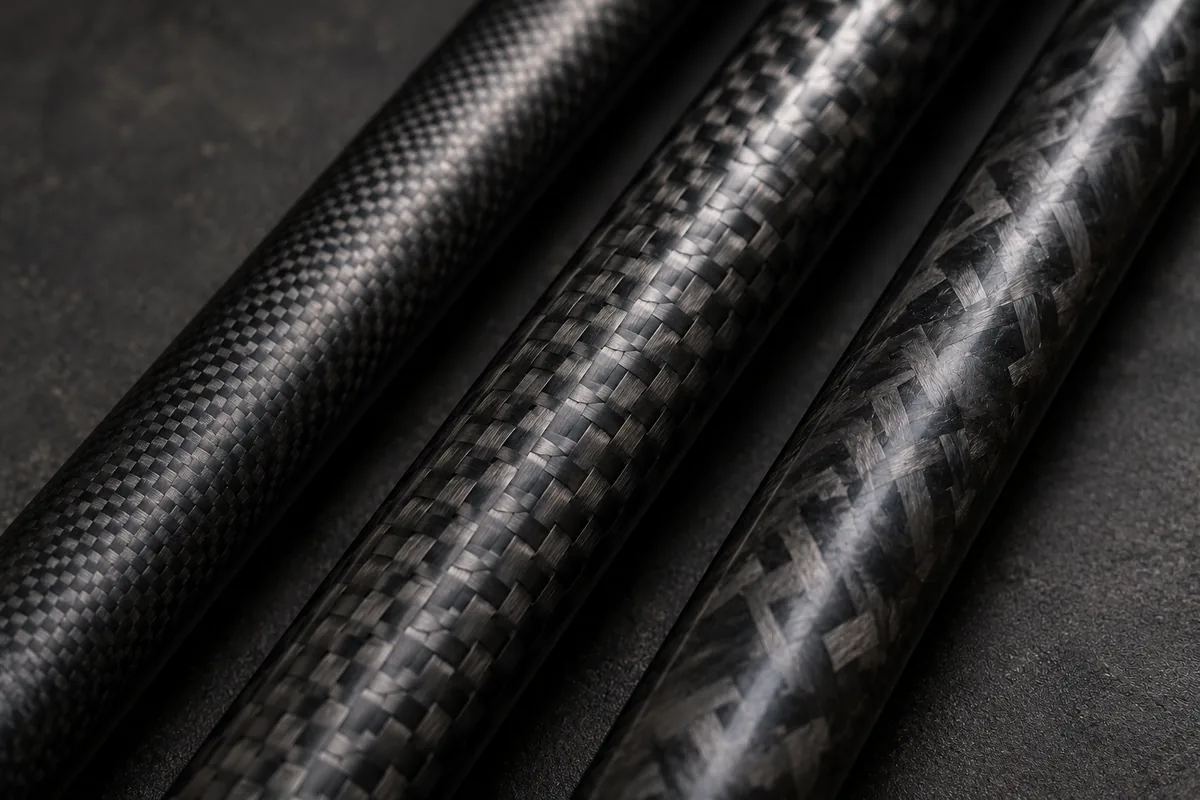
Modulus measures stiffness relative to weight. A higher modulus graphite is stiffer for the same weight, which lets makers build a rod that is both light and sensitive. So IM8 graphite can make a lighter, more sensitive rod than IM6 at the same power. That is the appeal of higher modulus.
The trade off is toughness. Higher modulus graphite tends to be more brittle, so a very high modulus rod can be more prone to breaking under abuse. Lower modulus IM6 flexes more and takes more punishment. This is the balance every rod maker weighs.
How the Three Compare
| Rating | Weight and feel | Durability | Best for |
|---|---|---|---|
| IM6 | Heavier, less sensitive | Toughest | Beginners, rough use, budget |
| IM7 | Balanced | Good | Most anglers |
| IM8 | Lightest, most sensitive | Most brittle | Feel focused fishing |
IM6 is durable and affordable, a fine choice for a first rod or rough conditions. IM7 balances weight, feel, and toughness, which suits most anglers. IM8 is the lightest and most sensitive, ideal when you want to feel every tap, as long as you treat it with care. Many good rods use IM7 or IM8 for that reason.
Why the Ratings Are Not a Standard
Here is the catch. IM ratings started with a specific graphite grade from one supplier, but the industry uses them loosely now. One brand’s IM7 is not guaranteed to match another’s. So treat the number as a rough guide to the blank, not a precise measure. Read the rod’s power, action, and reviews alongside it.
This is why your product listings may mention IM6 or IM7. It signals the blank quality in general terms. Use it as one clue among several when you judge a rod.
How to Choose
Pick by how you fish. For a first rod or rough conditions, IM6 gives toughness and value. For most fishing, IM7 balances feel and durability. For finesse and bite detection, IM8 gives the most sensitivity if you handle it with care. Match the modulus to your priority, then confirm the rod’s power and action fit your technique.
Frequently asked questions
What does IM6 mean on a rod?
IM6 describes a graphite modulus, or stiffness to weight. It is a lower modulus that makes a tougher, more affordable, but slightly heavier and less sensitive rod. It suits beginners, rough use, and budget builds.
Is IM8 better than IM6?
Not universally. IM8 is lighter and more sensitive, which is better for feel. IM6 is tougher and cheaper, which is better for durability and value. Choose by your priority, since higher modulus trades toughness for sensitivity.
Is higher modulus more brittle?
Generally yes. Higher modulus graphite is stiffer and lighter but tends to be more brittle, so a very high modulus rod can break more easily under abuse. Lower modulus rods flex more and take more punishment.
What graphite is best for bass rods?
IM7 or IM8 for most bass fishing, since they are light and sensitive. IM6 works well for beginners and rough conditions. Match the modulus to whether you prioritize feel or durability, then check the power and action.