Can You Use a Baitcaster in Saltwater?
Quick answer: Yes, you can use a baitcaster in saltwater, but only a sealed, corrosion resistant reel will last. Salt attacks bearings and frames fast, so rinse the reel with fresh water after every trip and lube it often. A freshwater reel works short term but will corrode without careful care.
Key takeaways
- Yes, but you need a sealed, corrosion resistant reel to last.
- Salt corrodes bearings and frames quickly without protection.
- Rinse with fresh water after every saltwater trip.
- A freshwater reel works short term but needs extra care.

Anglers moving to the coast often ask if their bass baitcaster can handle saltwater. The short answer is yes, with the right reel and the right care. The longer answer explains what salt does to gear and how to protect against it. This guide covers both so your reel survives the salt.
You learn whether a baitcaster works in saltwater, what makes a reel salt safe, and the care routine that keeps it alive. It is a direct answer to a common question.
The Short Answer
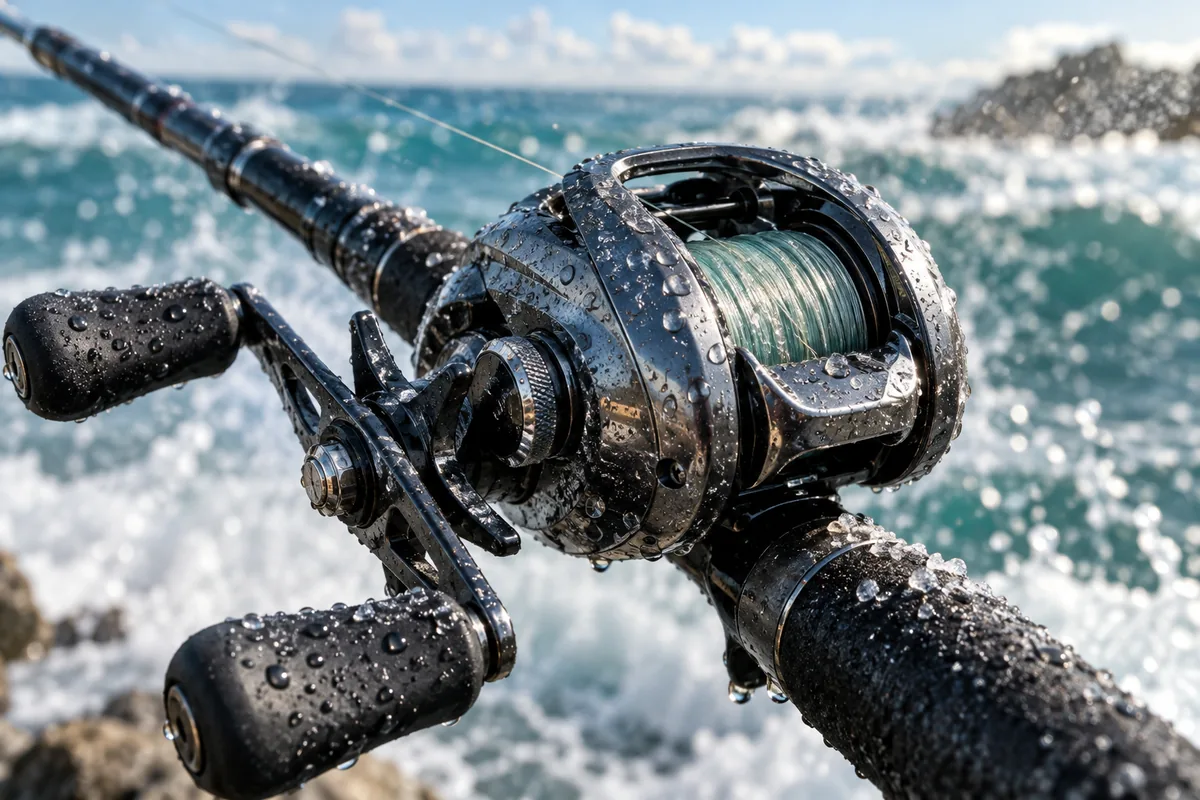
Yes, baitcasters work in saltwater, and many anglers use them for inshore species like redfish and speckled trout. The catch is durability. Salt corrodes metal parts fast, so a reel that is not built to resist it will degrade quickly. The reel you choose and how you care for it decide whether it lasts one season or many.
What Makes a Reel Salt Safe
Three features protect a reel from salt. Sealed or shielded bearings keep salt out of the parts that spin. A sealed drag keeps salt from the washers that control the fight. And a corrosion resistant frame, often aluminum, resists pitting. Reels labeled saltwater or inshore usually have these features. That is your first clue when shopping.
| Reel type | Saltwater ready? | Care needed |
|---|---|---|
| Sealed saltwater reel | Yes | Rinse after each trip |
| Freshwater reel | Short term only | Rinse and lube every trip |
The Care Routine
Whatever reel you use, care is what keeps it alive in salt. Rinse it with a gentle fresh water spray after every trip, never a hard blast that drives salt inward. Dry it, then lube the bearings and gears regularly. For a full service, clean the reel more often than you would for freshwater. Five minutes of rinsing saves an expensive reel.
Using a Freshwater Reel
You can use a freshwater baitcaster in salt short term, but it will corrode without extra care. If you must, rinse and lube it after every single trip, and expect a shorter life than a true saltwater reel. For regular saltwater fishing, invest in a sealed reel. It costs more but survives where a freshwater reel fails.
Frequently asked questions
Can freshwater reels go in saltwater?
Short term, yes, but they corrode without extra care. Salt attacks bearings and frames fast. Rinse and lube a freshwater reel after every saltwater trip, and expect a shorter life than a sealed saltwater reel.
How do you protect a reel from salt?
Rinse it with a light fresh water spray after every trip, dry it, and lube the bearings and gears regularly. Choose a reel with sealed bearings and a sealed drag. Never blast it with high pressure water, which drives salt inside.
What makes a reel saltwater safe?
Sealed or shielded bearings, a sealed drag, and a corrosion resistant frame, often aluminum. These features keep salt out of the parts that wear. Reels labeled saltwater or inshore usually include them.
Do you rinse a reel after every saltwater trip?
Yes, every time. A gentle fresh water rinse removes the salt that would otherwise corrode the reel. Skip it even once and salt begins its damage. Rinsing after each trip is the single most important saltwater habit.